
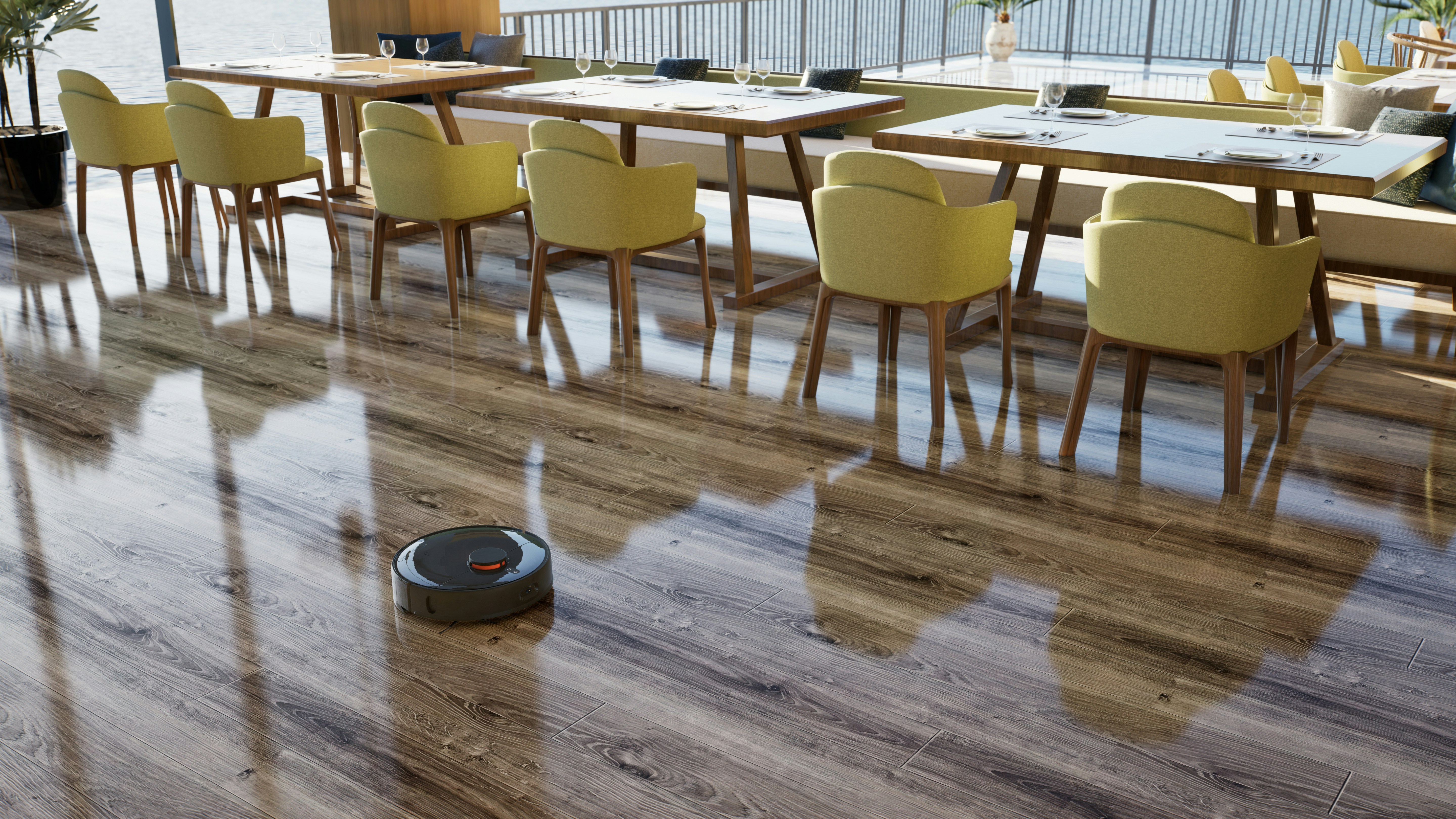
Autonomous Robotics in Cleaning and Maintenance Services: Enhancing Efficiency Without Replacing People
Autonomous robots are no longer a futuristic novelty; they are practical tools that are transforming how facilities keep floors clean, equipment inspected, and environments monitored. Rather than a story of machines replacing people, the most consistent results from real deployments show robotics complementing human teams: handling repetitive, hazardous, or time-consuming tasks so technicians can focus on higher-value work. This post explains how autonomous cleaning and inspection robots deliver consistent performance, how their activities can be scheduled and documented within maintenance management systems, and how organizations can deploy them responsibly so the workforce benefits.
Why robotics for cleaning and inspection actually increases operational consistency
Cleaning and routine inspections are ideal first wave use-cases for mobile autonomy because they are high-frequency, rule-based, and measured by simple outcomes (clean surface area, completed inspection rounds, anomaly detection). Commercial floor-scrubbing robots and autonomous inspection platforms are built for repeatability: they run pre-mapped routes, log coverage, and produce data dashboards that turn “I think it was cleaned” into “these areas were cleaned at 02:00 for 35 minutes.” Leading vendors in this space now offer turnkey solutions—autonomous scrubbers used in airports, malls and warehouses or legged/mobile inspection robots used in industrial plants—that emphasize measurable, repeatable performance. Real deployments show measurable increases in coverage and repeatability compared with purely manual schedules.
How robots free technicians for higher-value work (and why that matters)
When robots take over repetitive floor scrubbing or repetitive patrols, human staff are freed from routine, physically taxing tasks and can be redeployed to activities that require judgment and technical skill: troubleshooting, preventive repairs, customer service, or more detailed inspections. Industry analyses and robotics associations emphasize this “augmentation” role: robots substitute specific tasks but rarely entire jobs, and the net effect is often improved productivity and higher quality of work for human teams. That shift matters both for employee engagement—frontline staff doing more skilled work rather than only manual labor—and for organizational outcomes: faster fixes, fewer repeat failures, and better data-driven decisions.
Scheduling, tracking and documenting robotic activities inside maintenance systems
To make robots auditable and operationally useful, their actions must be integrated into the maintenance ecosystem—CMMS (Computerized Maintenance Management Systems), ERP, and analytics platforms. The practical pattern most organizations adopt is:
- Define robot missions as scheduled tasks (for example: nightly floor scrub at 02:00, daily thermal walk at 09:00). Modern robot platforms support repeatable missions that can be triggered or replayed automatically.
- Capture sensor and mission telemetry (coverage maps, images, thermal or vibration readings) and pipe them into a central system. Feed simple event records (“mission completed,” “anomaly detected”) to the CMMS as work orders or condition logs.
- Use the CMMS to generate follow-ups: if a robot’s inspection detects overheating or a fluid leak, the CMMS can automatically create a prioritized work order, assign a technician, and track closure and parts usage.
- Retain robot logs for compliance and KPI measurement: uptime, area cleaned per shift, anomalies discovered per inspection, and mean time to remediate associated work orders.
Vendors and integrators are shipping tooling and APIs specifically for this workflow: robot platforms provide mission scheduling and telemetry, while CMMS and IoT integrators collect and operationalize that data so robots become first-class “sensors + actuators” inside maintenance workflows. This integration is what turns isolated pilots into scalable, auditable programs.
Real examples and business outcomes
Several market leaders illustrate how these elements come together in practice. Autonomous floor-care companies have documented multi-site rollouts where robots deliver consistent coverage and measurable productivity gains; some vendors also provide fleet management and command centers so managers can monitor robots remotely. Inspection robots (both wheeled/quadruped platforms and fixed mobile systems) are used by utilities and industrial firms to run routine rounds, collect temperature or visual data, and surface anomalies that trigger CMMS work orders. Market reports and vendor case studies show a rapidly growing addressable market and concrete ROI cases—typically expressed as increased inspections per shift, time savings, and reduced exposure to hazardous environments.
Safety, standards and human factors: responsible rollouts
Introducing robots requires more than buying hardware. Responsible deployment covers safety standards (robot workspace guards, emergency stop protocols, and ISO guidelines for industrial robot safety), training for operators and janitorial teams, change management for staff roles, and documented maintenance plans for the robots themselves. A strong CMMS workflow helps here too: schedule preventive maintenance of the robots, log firmware updates, attach safety checklists to robotic missions and keep training records attached to roles. When organizations treat robots as parts of the asset inventory—complete with inspection templates, preventive tasks, and documented procedures—they reduce the operational risk and build staff trust.
Human acceptance is another major factor. Studies of cleaning-robot pilots show that acceptance rises when staff understand the robot’s role, receive training, and see direct benefits—reduced physical strain and opportunities to do more skilled work. Communicate early, involve frontline workers in designing the new workflows, and measure outcomes that matter to them: ergonomic improvements, less overtime on repetitive tasks, and opportunities for upskilling.
Practical tips for facilities managers and service operators
- Start with clearly measurable pilots. Pick a repeatable task (nightly floor clean or daily electrical room patrol) with a clear baseline so you can measure improvement.
- Define data and CMMS touchpoints up front. Decide which robot events will create CMMS entries (e.g., anomalies, mission failures, completion logs) and how work orders will be prioritized.
- Plan workforce transition, not replacement. Publicize the human benefits—reduced manual effort, more technical tasks, new training—and offer short certification paths so staff can operate and maintain the robots.
- Make safety and maintenance non-negotiable. Attach preventive maintenance tasks for robot fleets to your CMMS and keep firmware, battery and sensor checks on a schedule.
- Measure the right KPIs. Track robot uptime, cleaned square meters per hour, inspections per round, anomalies identified, and mean time to repair for robot-sourced work orders. Financial KPIs should include time savings, reduction in repeat cleaning or inspection gaps, and incremental revenue/profit from reallocated labor.
Conclusion: augmentation, not elimination
Autonomous cleaning and inspection robots are most valuable when treated as a force multiplier—machines that do repetitive, measurable work and feed reliable data into human workflows. When integrated with a CMMS and paired with thoughtful workforce planning, robots improve consistency, make maintenance predictable and auditable, and allow technicians to prioritize higher-value tasks. For facilities and service operators, the goal is not replacing people but amplifying human capabilities: safer jobs, faster diagnostics, and measurable improvements in cleanliness and uptime.


